6 Top Kitchen Design Trends for 2026 – According to Experts
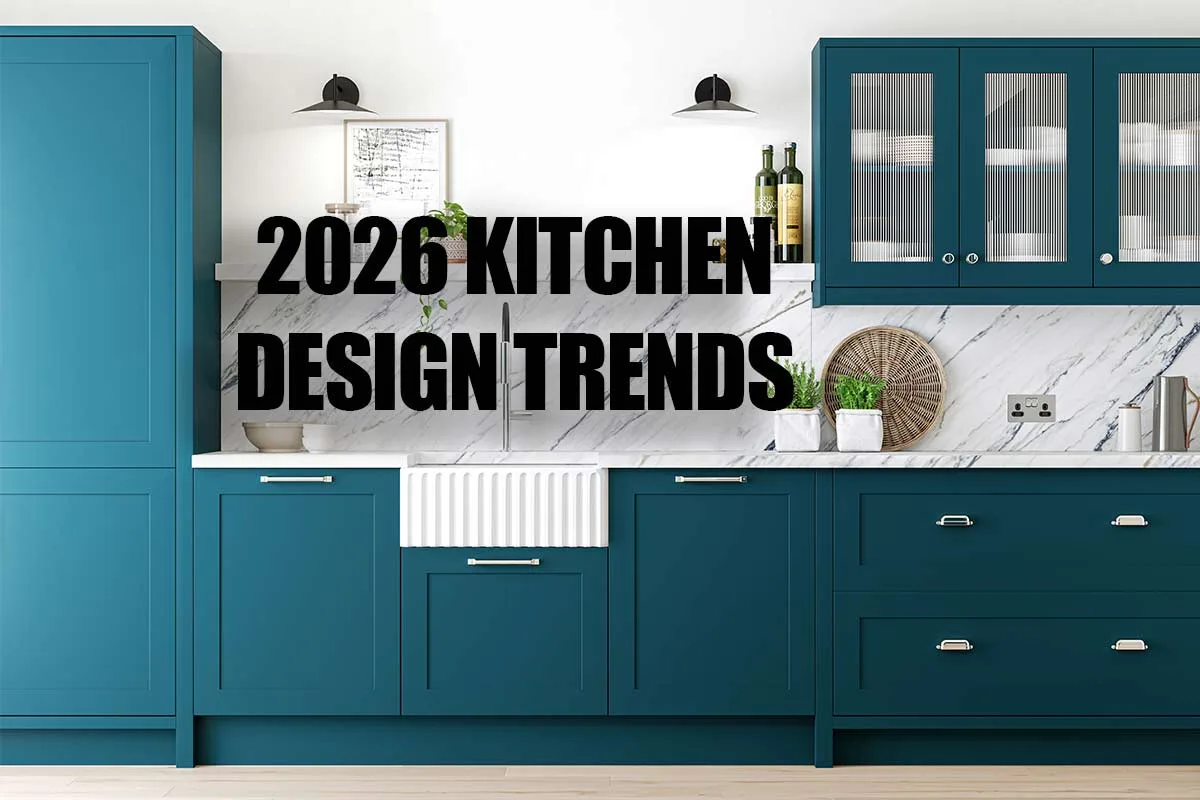
As we enter the new year, it’s clear that kitchen design trends are now being shaped by changing lifestyles, advancing technology and a greater emphasis on how spaces are used day to day. Kitchens are no longer seen purely as functional rooms. Instead, they have become central to the home – a place for everything from cooking and dining to working and socialising.
As a result, design decisions are increasingly focused on balance, bringing together style, practicality and long-term appeal. From material choices and layout considerations to integrated technology and thoughtful detailing, the latest kitchen design trends reflect a shift towards spaces that feel both considered and adaptable. Drawing on insights from our expert team and trusted partners, this guide explores the key kitchen design trends for 2026.
Key kitchen design trends & ideas for 2026
1. Warm neutrals with rich accent colours
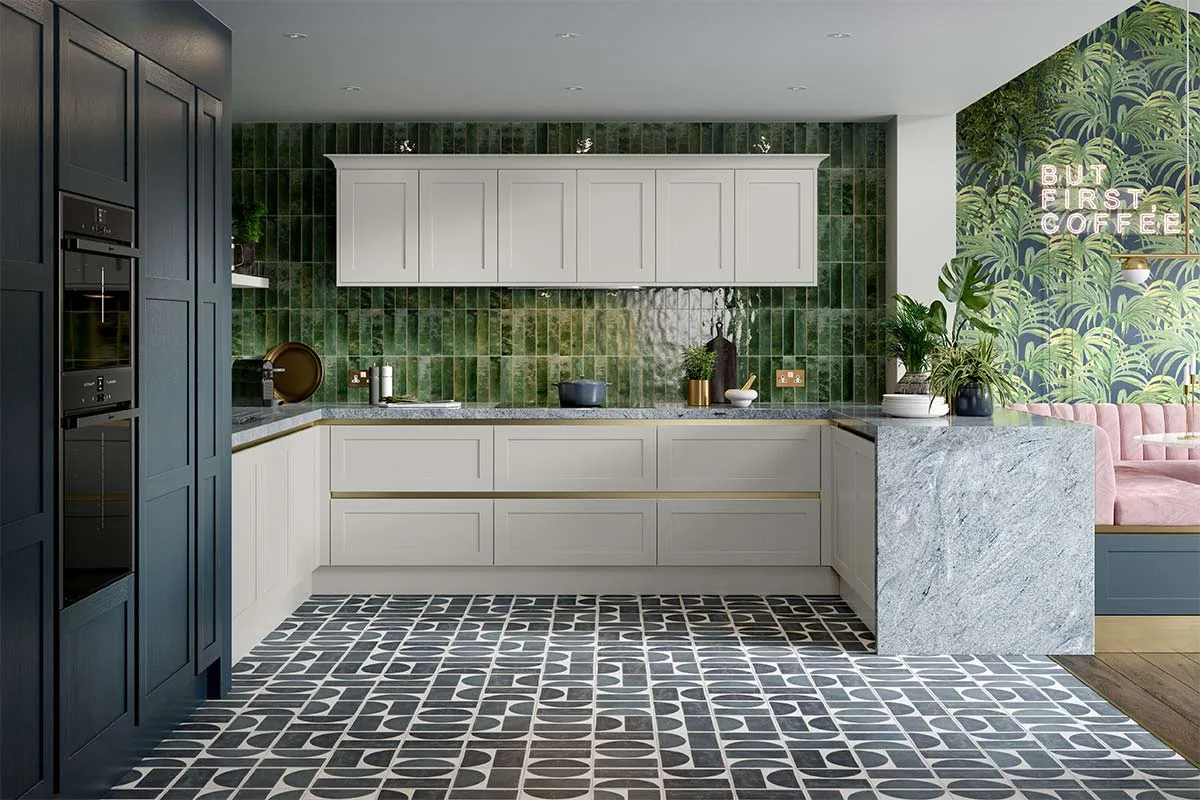
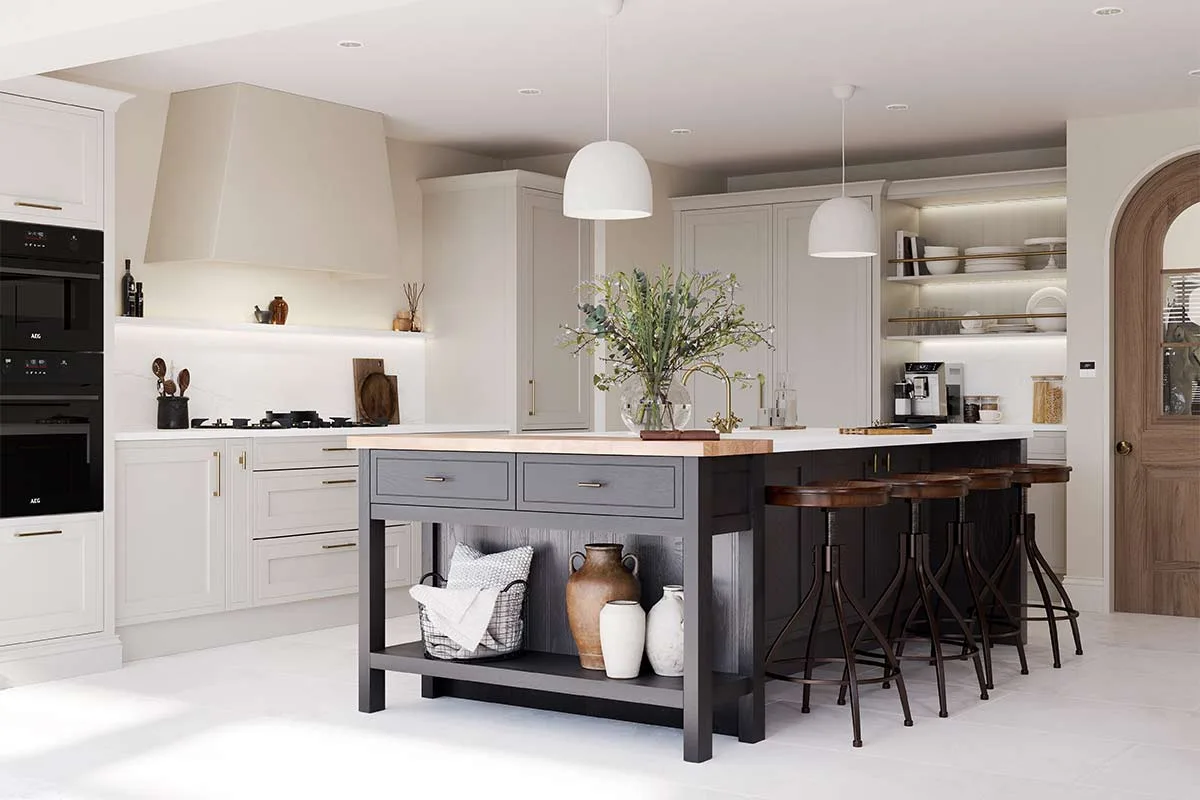
One of the defining kitchen design trends for 2026 is a focus on warmer, more inviting colour palettes. Earthy neutrals like taupe, greige, mushroom, oatmeal, ochre and soft browns are increasingly popular, particularly in open-plan spaces where homeowners want their kitchen to flow cohesively into the surrounding living space.
According to our Lead Designer Liz Dunk, taupe is now the top colour choice for traditional and shaker kitchens, reflecting a shift towards more timeless schemes that feel comfortable and lived-in. Richer accent colours are then being layered in for more depth and individuality.
Deep berry tones such as plum and burgundy are set to feature strongly this year, alongside classic navy and dark green. Liz notes that blue remains a firm favourite, with homeowners often mixing colours within their kitchen design. For example, using a neutral tone for the main units and a richer shade for an island or secondary run of cabinetry. Antique brass is also proving popular for fixtures and handles, complementing both neutral and darker tones.
2. Classic cabinetry with a modern twist
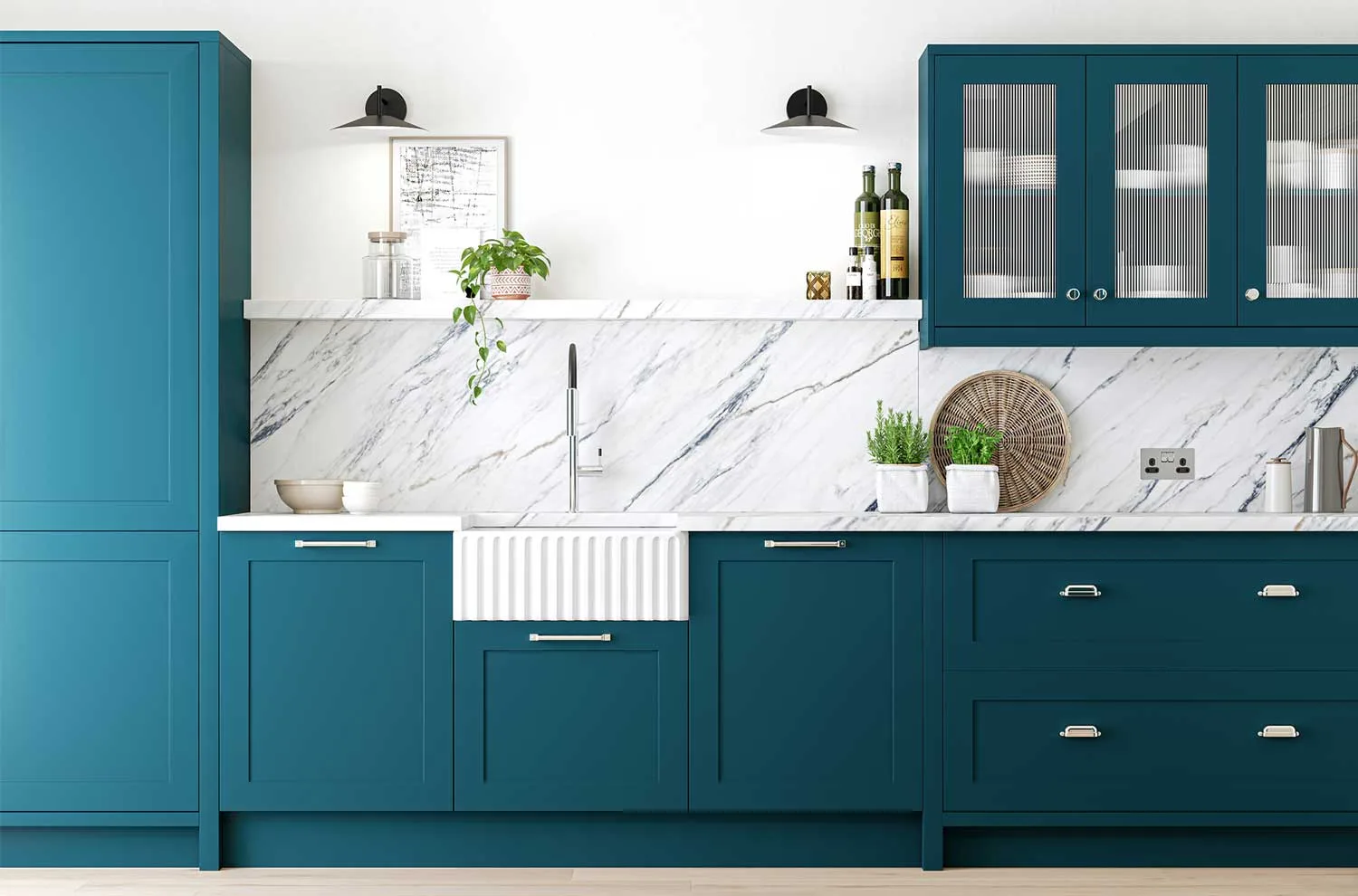
In 2026, traditional shaker-style cabinetry is being updated to better suit modern homes. Recessed cupboard doors remain a strong choice, but with slimmer profiles that feel lighter and less bulky. Liz explains that homeowners still want the definition and detail of a shaker door, but in a more refined form. Slimmer in-frame designs will help you achieve this balance, offering structure without overpowering your space.
Painted and timber doors and drawers continue to feature, while gloss surfaces are giving way to more subtle matte finishes. Handleless designs are also being used to create a more streamlined look, while built-in pantries are being incorporated to provide discreet storage.
Texture and softer forms are shaping cabinetry details too. Fluted glass is appearing on upper cabinets to disguise clutter while adding visual interest, and curved elements are being introduced to offset straighter lines elsewhere. Consider rounded island edges and curved end units to soften the overall look and make your kitchen feel more inviting.
3. Darker and more textured timber
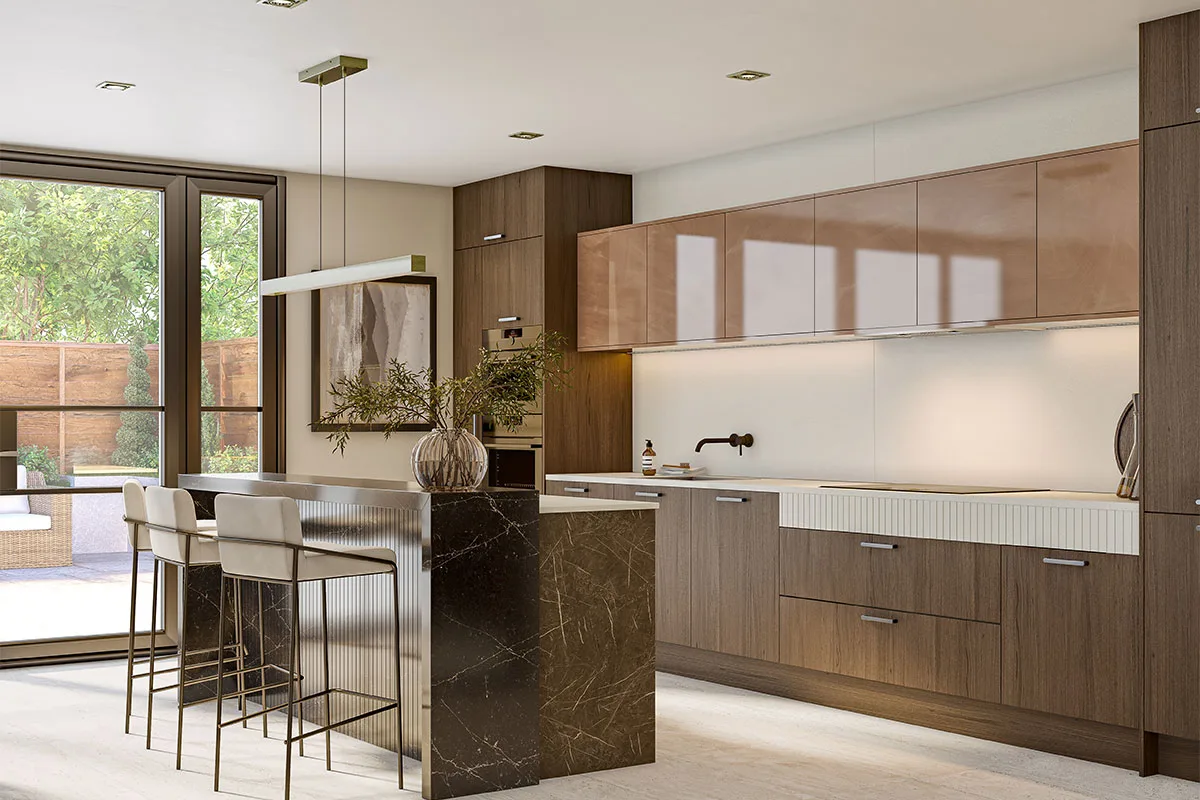
In 2026, kitchen design trends are shifting towards darker, more textured timber finishes. After a long period dominated by pale, Scandi-style woods, mid-to-dark shades like walnut are gaining popularity. These deeper timbers sit comfortably alongside stone surfaces and textured metallic accents, adding character while complementing warmer colour palettes.
There is also a growing preference for timber with visible grain, smoked effects and natural variation, over flat, uniform finishes. Interestingly, Liz notes that this trend spans all styles, with even contemporary slab-style cabinet doors now being specified in timber finishes.
Wood is also appearing as kitchen wall panelling, freestanding peninsula units and timber-effect flooring, including practical LVT options. Similarly, burl wood furniture is making a comeback and can be introduced into your dining area to provide tonal variation.
4. Eye-catching yet practical work surfaces

Worktops and splashbacks will play a more prominent role in 2026 kitchen designs. Neutral surfaces remain central to many schemes, but are increasingly paired with deeper shades. Meanwhile, plain designs are being replaced by more decorative styles and marble patterns.
Matt Dale of Sussex Stoneworks, Claremont Kitchens’ worktops and splashbacks partner, notes a clear shift in surface choices. As Matt explains, “Clients are choosing stronger colours and more detailed patterns, but in a considered way – using splashbacks and worktops to add impact while keeping the rest of the kitchen timeless.” This is reflected in the demand for warmer tones, deep charcoals, surfaces with bold veining and textured finishes.
However, practicality also remains a key consideration when it comes to kitchen surfaces. Quartz is leading the way thanks to its balance of durability, low maintenance and design flexibility, compared to natural stone. Similarly, ceramic splashbacks are increasingly being chosen as a hardwearing, easy-care alternative to tiles and grout in busy family homes.
5. Space-saving, multi-functional taps
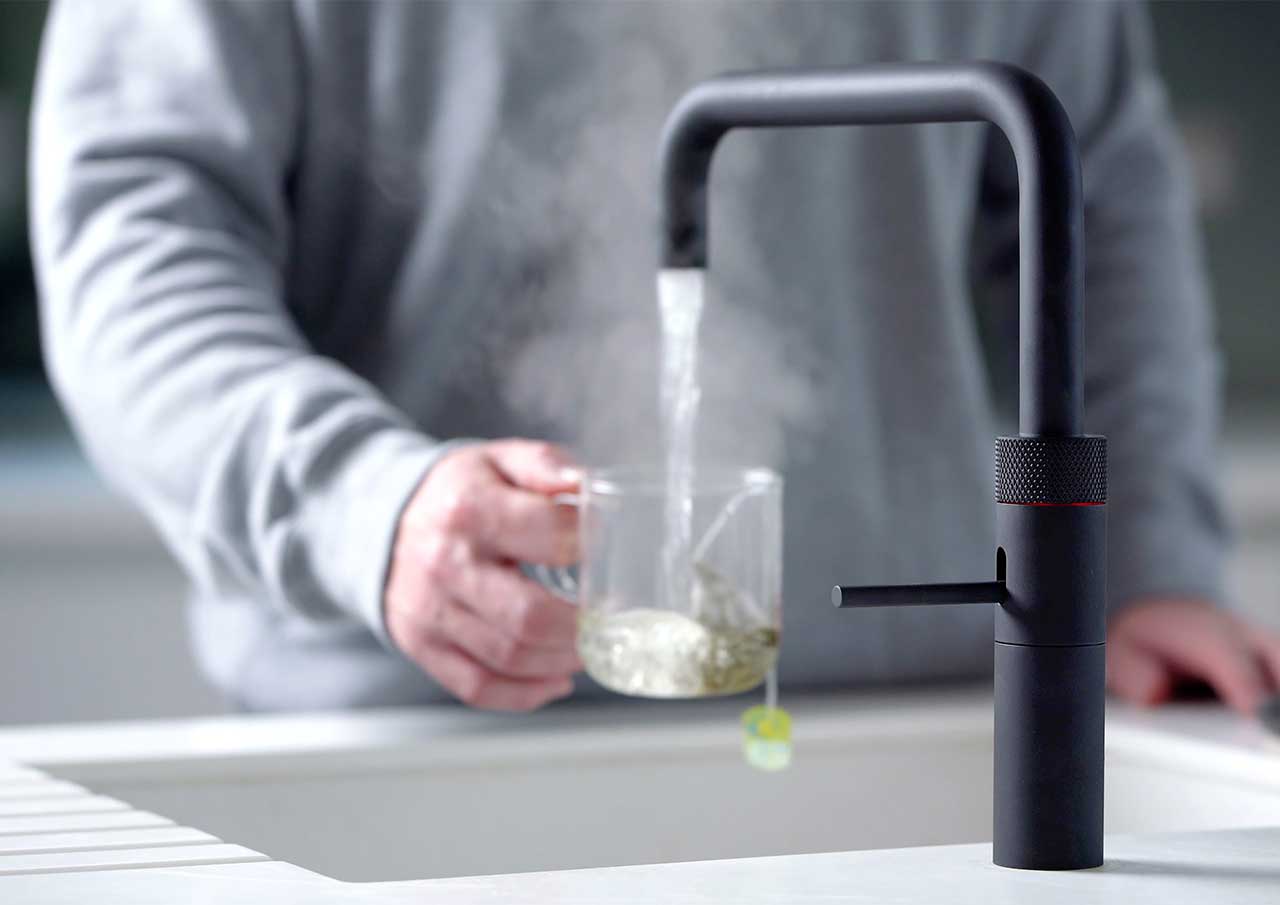
With convenience a top priority, multi-functional taps have become a major kitchen design trend for 2026. Liz notes that it is now rare for the Claremont Kitchens team to design and sell a kitchen without one. As she explains, “People are aware of the convenience and benefits of instant hot and chilled water – once you have one, you can’t live without it!”
Market-leader Quooker, for instance, offers designs that deliver instant boiling water and filtered drinking water via a single tap. And with an accessory, you can also enjoy chilled and sparkling water, saving you time and money in the long run. Better yet, the compact design means these taps take up very little space and there are designs to suit all needs and styles.
Tip: chrome finishes are timeless and can be easily matched to cabinet handles and fittings.
6. AI and smart kitchen technology
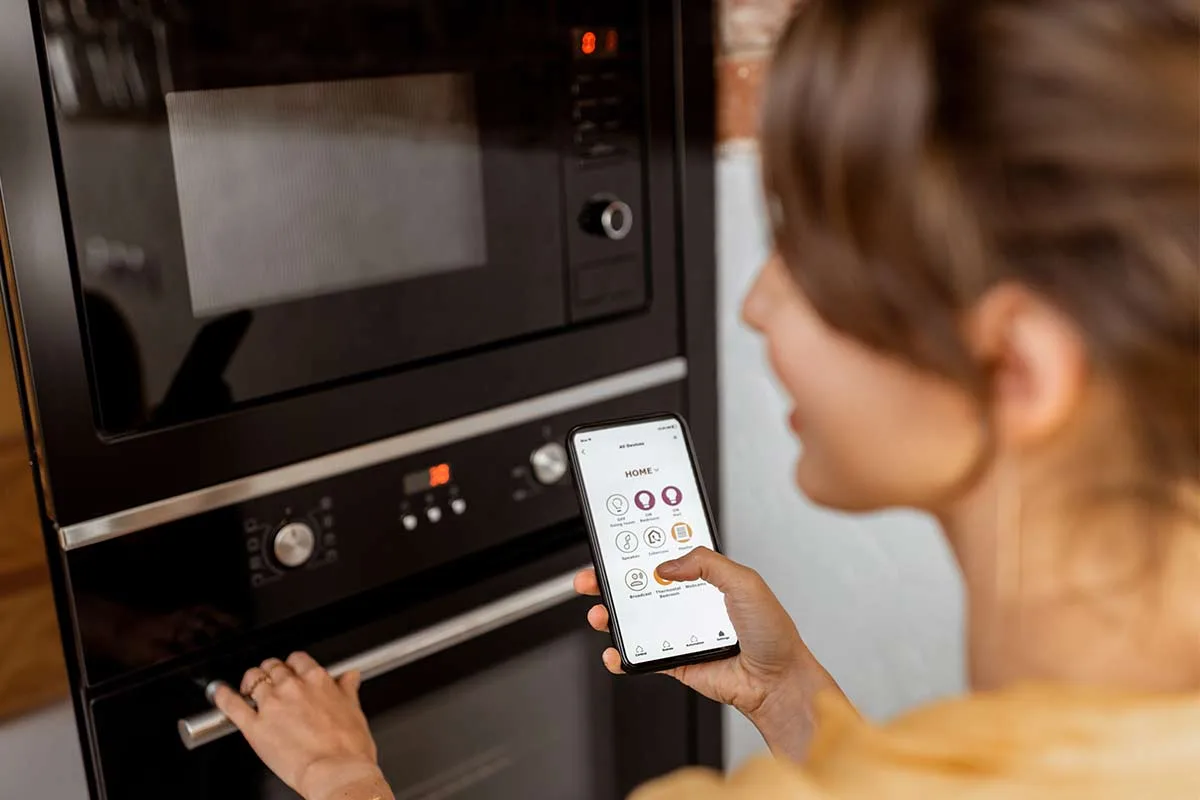
In 2026, smart technology will continue to evolve, with AI now sitting alongside more established connectivity features. Ease of use and intelligent functionality are increasingly influential in kitchen design, with technology being used to simplify everyday tasks.
Appliances are at the forefront of this shift. Wi-Fi connectivity and AI-assisted features mean ovens can be heated remotely, while voice-activated functions offer hands-free accessibility. Cameras are even being built into fridges, enabling you to check the contents via an app.
Comfort and wellbeing are also shaping appliance choices. Quieter extraction hoods and ovens with healthier steam cooking functions are now highly sought after, particularly among younger buyers. Integrated coffee machines and wine coolers are also being specified more frequently, reflecting the kitchen’s increasingly multi-functional role within the home.
Planning a kitchen upgrade in 2026?
A well-designed kitchen brings together style, practicality and long-lasting value. Professional design helps you make the most of your space and avoid costly errors. As Liz explains:
“You will get a much better kitchen layout, and there is a lot less room for costly errors than buying an off-the-shelf kitchen. We take detailed measurements and plan everything meticulously to minimise mistakes and waste. With bespoke cabinets, everything is designed and manufactured to fit your space perfectly, ensuring a more efficient use of space.”
At Claremont, we have over 15 years’ experience in bespoke kitchen design. Our expert team start by understanding how you use your space, your ides, and what you’d like to achieve. We then take measurements and create 3D designs so you can visualise the layout before you order.
Ready to find out more? For expert advice or to explore kitchen design options, give us a call on 01730 923286 or visit our Midhurst showroom.